
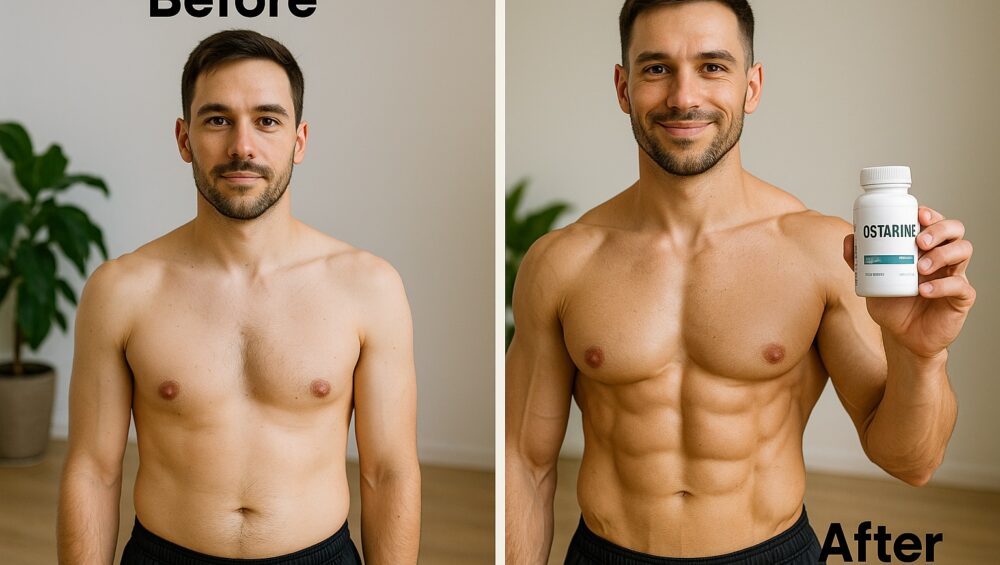
Ostarine Before and After: User Reviews and Transformation Photos (2025)
With the increasing interest in advanced performance enhancers and body transformation supplements, Ostarine (MK-2866) continues to draw attention from athletes, bodybuilders, and fitness enthusiasts alike. As one of the most researched selective androgen receptor modulators (SARMs), Ostarine is acclaimed for its potential to catalyse muscle growth and fat loss while minimising the traditional side effects associated with anabolic steroids. In this comprehensive review, we will delve into user experiences, before and after transformations, health considerations, and the current legal status of Ostarine. If you’re considering Ostarine or simply want to understand its real-world impact in 2025, this article will provide a balanced perspective, backed by clinical findings and authentic testimonials.
Introduction to Ostarine (MK-2866)
Ostarine, frequently referred to by its research code MK-2866, belongs to a novel class of compounds known as selective androgen receptor modulators (SARMs). These compounds have gained traction due to their targeted approach to muscle and bone tissue enhancement, offering a new frontier for those seeking performance benefits without the pronounced side effects of traditional anabolic steroids.
One of the defining attributes of Ostarine is its mechanism of action: Ostarine, also known as MK-2866, is a selective androgen receptor modulator (SARM) that binds to androgen receptors, promoting muscle growth. This targeted interaction has made Ostarine especially attractive for individuals seeking lean muscle gains, improved recovery, and enhanced athletic performance.
Originally developed for the treatment of muscle wasting conditions, Ostarine has found a following in recreational and professional fitness circles. Its oral bioavailability and relatively mild side effect profile (compared to anabolic steroids) have contributed to its popularity. However, it is crucial to understand both the potential benefits and the risks before considering its use.
Mechanism of Action: How Ostarine Works
The science behind Ostarine centres on its unique ability to selectively bind to androgen receptors in muscle and bone tissues. Unlike traditional anabolic steroids, which affect a broad range of tissues (often causing unwanted side effects), SARMs like Ostarine are designed to target specific tissues, maximising anabolic effects while minimising androgenic impact elsewhere in the body.
Upon binding to androgen receptors, Ostarine stimulates protein synthesis and enhances nitrogen retention within muscle cells. This leads to increased muscle mass, improved strength, and faster recovery times post-exercise. Additionally, Ostarine’s anabolic influence can aid in bone density maintenance, supporting overall musculoskeletal health.
Clinical research has highlighted additional physiological effects. For example, In a 12-week clinical trial, ostarine administration led to a significant decrease in sex hormone-binding globulin (SHBG) and total serum testosterone levels in men. This finding underscores the complex hormonal interactions involved and serves as a reminder of the importance of medical supervision during use.
By delivering muscle-building benefits without the pronounced risk of virilisation or estrogenic side effects, Ostarine has carved a niche among those seeking a potent yet refined ergogenic aid. Nevertheless, the downstream effects on hormonal balance and the potential for suppression of endogenous testosterone production must be carefully considered.
User Experiences: Before and After Transformations
Perhaps the most compelling evidence for Ostarine’s efficacy comes from the real-life experiences of users who have documented their journeys. These accounts provide valuable insights into the practical outcomes, dosing strategies, and body composition changes that can be expected from a typical Ostarine cycle.
One widely-cited testimonial reflects a dramatic transformation: A user reported losing 13 pounds over a 6-week period on ostarine, progressing from 12.5 mg/day to 25 mg/day, with noticeable fat loss and improved muscle fullness. Such reports are not isolated, with many individuals describing both visual and performance-related improvements over relatively short periods.
Common themes among Ostarine users include:
- Lean Muscle Gain: Users often note visible increases in muscle size, especially when combined with resistance training and adequate protein intake. Muscles appear fuller and more defined, with some reporting gains of 3-5 kg of lean mass over an 8-12 week cycle.
- Fat Loss: The anabolic environment fostered by Ostarine can promote simultaneous fat loss, especially when paired with a caloric deficit. Many before-and-after photos showcase reductions in abdominal fat and overall improved physique aesthetics.
- Strength Increases: Enhanced recovery and muscle protein synthesis contribute to increased performance in the gym. Users frequently report breaking plateaus and achieving personal bests in compound lifts.
- Improved Endurance and Recovery: Shortened recovery times allow for more frequent and intense training sessions, accelerating progress and reducing the risk of overtraining.
Visual documentation—such as progress photos—further illustrates these changes. Many individuals capture weekly or bi-weekly images to track their transformation, highlighting not only muscle hypertrophy but also improved vascularity and definition.
However, it’s important to note that individual responses to Ostarine can vary based on factors such as age, training status, diet, and genetic predisposition. Some users may experience more pronounced gains, while others may find the effects subtler. Anecdotal evidence also suggests that stacking Ostarine with other SARMs or performance enhancers can amplify results, though this approach carries increased health risks.
Here are a few representative experiences:
- Male, 28, Intermediate Lifter: “I ran a 10-week Ostarine cycle at 20 mg/day. My weight stayed roughly the same, but I lost 5 kg of fat and gained visible muscle definition. Strength in all my major lifts went up by 10-15%.”
- Female, 33, Fitness Model: “I used Ostarine at 10 mg/day for 8 weeks leading up to a photoshoot. My body fat dropped from 19% to 15%, and I maintained muscle mass despite being in a caloric deficit.”
- Male, 41, Returning to Training: “After a long layoff, I started Ostarine at 15 mg/day. My recovery improved, and I gained back much of my lost muscle within two months. No major side effects, but I did notice a drop in libido towards the end.”
Despite these successes, not all experiences are positive. Some users report minimal changes or encounter side effects that overshadow the benefits. It’s also crucial to consider that many transformation photos circulating online may be subject to selection bias or digital enhancement.
For those interested in exploring Ostarine for body recomposition, it is recommended to start with a conservative dose, monitor progress with photos and performance metrics, and remain vigilant for any adverse effects. As always, sourcing from reputable suppliers such as https://phoenixsupplementstore.co.uk/ is essential to ensure product quality and authenticity.
Potential Side Effects and Health Considerations
While Ostarine is often marketed as a safer alternative to anabolic steroids, it is not without risks. Understanding the potential side effects and health implications is critical for anyone considering its use, whether for athletic enhancement or physique improvement.
One of the most significant concerns is the risk of hepatotoxicity. Common side effects of ostarine include liver damage and other serious side effects such as heart attack. Although SARMs are generally less hepatotoxic than oral steroids, reports of elevated liver enzymes and liver stress have surfaced, particularly with higher doses or prolonged use.
In addition to liver health, Ostarine’s hormonal impact must be considered. Clinical data has shown that SARMs can suppress endogenous testosterone production, leading to symptoms such as reduced libido, mood changes, and, in some cases, gynecomastia due to hormonal imbalance. In a 12-week clinical trial, ostarine administration led to a significant decrease in sex hormone-binding globulin (SHBG) and total serum testosterone levels in men. This underscores the need for post-cycle therapy (PCT) to restore natural hormonal equilibrium after cessation.
Other potential side effects include:
- Cardiovascular Risks: There is emerging evidence that Ostarine and other SARMs may negatively impact lipid profiles, increasing LDL cholesterol and decreasing HDL cholesterol, thereby raising cardiovascular risk.
- Musculoskeletal Issues: Rapid muscle growth without adequate tendon adaptation can increase the risk of strains and injuries.
- Gastrointestinal Distress: Some users report nausea, abdominal discomfort, or changes in appetite during cycles.
- Psychological Effects: Mood swings, increased aggression, or irritability have been noted anecdotally, though less frequently than with anabolic steroids.
It is also important to consider individual variability in response to Ostarine. Genetics, pre-existing health conditions, and concurrent medication use can all influence the risk profile. For this reason, Ostarine should only be used under the guidance of a healthcare professional, with regular monitoring of blood markers and overall health status.
Given the lack of long-term safety data, caution is warranted, especially for those with underlying liver, cardiovascular, or endocrine disorders. Discontinuing use and seeking medical attention at the first sign of adverse effects is strongly advised.
Legal Status and Regulatory Concerns
Despite its popularity within fitness circles, Ostarine occupies a complex and often misunderstood position from a legal and regulatory standpoint. Prospective users must be aware of the potential legal ramifications associated with its use, purchase, and possession.
Ostarine is not approved by the FDA and is classified as a research chemical; it is also banned by the World Anti-Doping Agency (WADA) and the National Collegiate Athletic Association (NCAA). This means that, while Ostarine may be available for purchase as a “research chemical” or “not for human consumption,” its use is prohibited in all professional and collegiate sports governed by these organisations.
Possession or distribution of Ostarine with intent for human use can carry legal risk in many jurisdictions, depending on local laws. The unregulated nature of the SARM market also exposes consumers to the risk of contamination, mislabeling, or counterfeit products, which could pose additional health dangers.
For athletes, even trace amounts of Ostarine detected in anti-doping tests can result in severe penalties, including suspensions and permanent bans. It is essential to weigh these risks carefully and to consult relevant sporting authorities before considering Ostarine supplementation.
Conclusion: Weighing the Pros and Cons
Ostarine (MK-2866) offers a compelling option for those seeking muscle gain, fat loss, and enhanced performance without the pronounced risks of traditional steroids. User transformations and clinical research highlight its potential, but these benefits must be balanced against the risks of hormonal disruption, liver toxicity, and legal consequences. Ultimately, the decision to use Ostarine demands careful consideration, responsible sourcing, and an unwavering commitment to personal health and regulatory compliance. For the latest, most reliable products, consider visiting https://phoenixsupplementstore.co.uk/ for guidance and support.
