
Optimizing Athletic Performance with Vegan Fitness Nutrition
As more athletes seek plant-based lifestyles, vegan fitness nutrition has taken center stage in the world of sports performance. The rise in popularity of vegan diets among athletes is driven not just by ethical or environmental reasons, but also by a growing body of evidence supporting the physiological benefits of plant-based eating. Whether you’re a professional competitor or a weekend warrior, optimizing your nutrition with a vegan approach can help you achieve your training goals, improve recovery, and support overall well-being. With proper planning and the right supplementation, vegan athletes can fuel their bodies for peak performance without compromise. In this comprehensive guide, we’ll explore the fundamentals of vegan fitness nutrition for athletes, debunk common myths, and provide actionable strategies for success.
Introduction to Vegan Fitness Nutrition
Vegan fitness nutrition focuses on fueling the body exclusively with foods derived from plants, omitting all animal products. This approach emphasizes whole grains, legumes, fruits, vegetables, nuts, and seeds, and is increasingly recognized in athletic communities for its potential to support both health and performance. Transitioning to a vegan diet as an athlete may seem daunting at first, but with the right knowledge and resources, it can be both practical and highly effective.
One of the primary reasons athletes are drawn to vegan nutrition is its rich supply of micronutrients, fiber, and antioxidants, which can aid in recovery and reduce inflammation. Additionally, vegan diets are often lower in saturated fats and cholesterol, promoting cardiovascular health. However, ensuring adequate intake of certain nutrients—such as protein, iron, and vitamin B12—requires careful planning, especially for those with higher energy and nutrient demands due to intensive training.
At Phoenix Supplements Store in Maidstone, Kent, we understand the unique needs of vegan athletes and offer expert guidance, as well as a curated selection of plant-based supplements tailored to support your performance goals. By focusing on evidence-based nutrition and smart supplementation, athletes can thrive on a vegan diet and reach new heights in their athletic pursuits.
Benefits of a Vegan Diet for Athletes
Adopting a vegan diet offers a range of advantages for athletes, many of which are now supported by scientific research. One of the most compelling benefits is improved cardiovascular health, which is crucial for endurance and overall athletic performance. Plant-based diets are typically high in fiber, antioxidants, and phytonutrients that can help lower blood pressure and improve vascular function, supporting greater blood flow to working muscles during exercise.
Another advantage is enhanced recovery. The anti-inflammatory properties of many plant foods can help reduce muscle soreness and speed up the repair process after intense training sessions. Athletes often face high oxidative stress due to frequent and strenuous exercise; a vegan diet rich in fruits, vegetables, and whole grains provides an abundance of antioxidants, which help protect cells from damage and promote faster recovery.
Importantly, research has shown that vegan diets do not compromise athletic performance. “A systematic review and meta-analysis found that plant-based diets benefit aerobic performance and do not compromise strength/power performance.” This is supported by findings that “Research indicates that well-planned vegetarian and vegan diets can adequately support athletic performance, with no significant differences in endurance capacity or muscle strength compared to omnivorous diets.” These facts underscore that vegan athletes can build muscle, maintain strength, and perform at a high level, provided their diet is balanced and well-planned.
For athletes concerned about maintaining or improving their performance, further reassurance comes from “A study on semi-professional soccer players found that an 8-week vegan diet did not adversely affect training-induced performance improvements and may be suitable for athletes.” Additionally, “A systematic review concluded that there are no significant differences in variables related to physical performance between vegetarian and omnivorous athletes.” These insights highlight that choosing a vegan diet is not a limitation but can be a viable, and even advantageous, option for athletes across disciplines.
- Improved cardiovascular health due to lower saturated fat and cholesterol intake
- Faster recovery times thanks to anti-inflammatory and antioxidant-rich foods
- Equal strength and endurance compared to omnivorous athletes, as shown by multiple studies
- Ethical and environmental benefits that align with personal values
These benefits make a compelling case for athletes to consider a vegan diet, especially when combined with a strategic approach to nutrition and supplementation.
Key Nutrients in a Vegan Athlete’s Diet
While a vegan diet offers many benefits, athletes must pay close attention to certain nutrients to ensure optimal performance and prevent deficiencies. The following nutrients are especially critical for vegan athletes:
- Protein: Essential for muscle repair and growth, protein can be sourced from legumes, tofu, tempeh, seitan, and plant-based protein powders. Combining different plant protein sources throughout the day ensures a full spectrum of amino acids.
- Iron: Vital for oxygen transport and energy production, iron is abundant in lentils, beans, spinach, and fortified cereals. Pairing iron-rich foods with vitamin C sources (such as citrus or peppers) improves absorption.
- Vitamin B12: Since B12 is not naturally present in plant foods, supplementation or fortified foods are necessary to prevent deficiency and support nerve function and red blood cell production.
- Omega-3 Fatty Acids: Important for brain health and inflammation control, these can be obtained from flaxseeds, chia seeds, walnuts, and algae-based supplements.
- Calcium: Necessary for bone health, calcium can be found in fortified plant milks, tofu set with calcium, almonds, and leafy greens.
- Vitamin D: Supports immune function and bone health. Supplementation may be required, especially in regions with limited sunlight.
- Zinc: Crucial for immune function and metabolism, zinc is found in beans, lentils, nuts, and seeds.
It is also important to consider the bioavailability of certain nutrients in plant foods. For example, non-heme iron (from plants) is less readily absorbed than heme iron (from animal products). Strategies such as soaking, sprouting, or fermenting legumes and grains can enhance nutrient absorption. In addition, ensuring adequate caloric intake is crucial for athletes, as plant-based diets tend to be less energy-dense than omnivorous diets.
At Phoenix Supplements Store, we offer a range of vegan-friendly supplements to help bridge any nutritional gaps and support your athletic goals. Consulting a sports nutritionist or knowledgeable supplement provider can ensure you are meeting your unique needs as a vegan athlete.
In summary, with attention to these key nutrients and a balanced approach, vegan athletes can meet all their dietary requirements and excel in their chosen sports.
Meal Planning and Supplementation Strategies
Creating an effective meal plan is essential for vegan athletes aiming to maximize performance, recovery, and overall health. A well-structured meal plan ensures that you meet your energy and nutrient needs throughout your training cycles. Here are some strategies to help you plan meals and supplements for optimal results:
-
Prioritize Macronutrients:
- Carbohydrates should make up the bulk of your calories, as they provide the primary fuel for high-intensity training and recovery. Focus on whole grains, legumes, fruits, and starchy vegetables.
- Proteins are crucial for muscle repair and growth. Aim for a variety of sources such as beans, lentils, tofu, tempeh, seitan, and vegan protein powders.
- Fats are important for hormone production and absorption of fat-soluble vitamins. Include nuts, seeds, avocados, and plant oils in your daily intake.
-
Time Your Nutrition:
- Eat balanced meals and snacks throughout the day to maintain energy levels and support muscle protein synthesis.
- Focus on a combination of carbohydrates and protein within 30-60 minutes post-workout to optimize recovery.
-
Supplement Wisely:
- Vitamin B12 is essential for all vegans—choose a reliable supplement or consume fortified foods regularly.
- Consider vitamin D and omega-3s (from algae oil) if you have limited sun exposure or dietary sources.
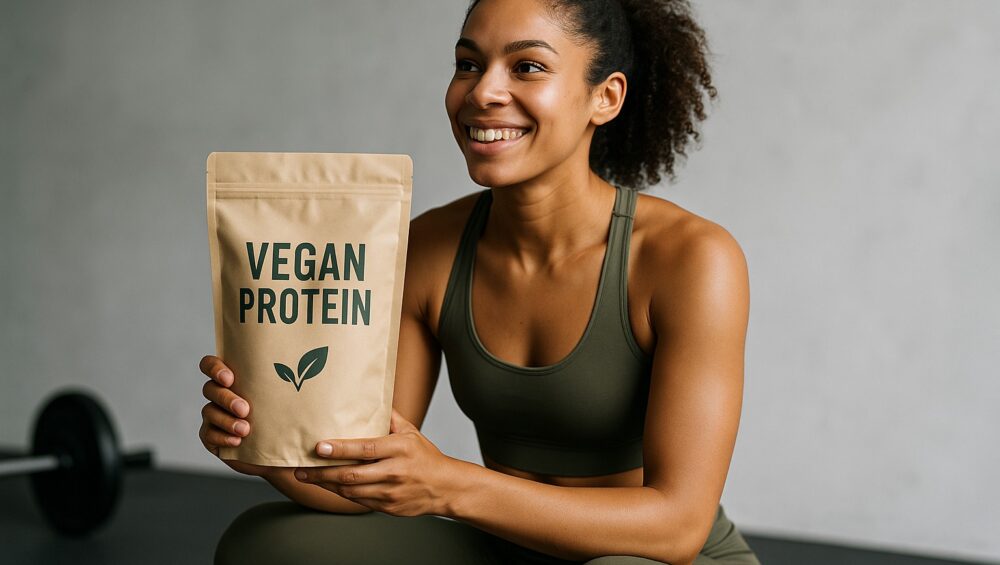
- Plant-based protein powders are a convenient way to boost protein intake, especially for athletes with high requirements.
-
Plan for Convenience:
- Prepare meals in advance and keep healthy snacks on hand, such as trail mixes, hummus with veggies, or protein bars.
- Utilize meal prep and batch cooking to save time and ensure balanced nutrition throughout the week.
Sample daily meal plan for a vegan athlete:
- Breakfast: Oats with soy milk, chia seeds, berries, and almond butter
- Snack: Whole grain toast with avocado and tomato
- Lunch: Lentil salad with quinoa, roasted vegetables, and tahini dressing
- Snack: Hummus with carrot and cucumber sticks, piece of fruit
- Dinner: Stir-fried tofu with brown rice, broccoli, and cashews
- Post-workout: Plant-based protein shake with banana
Remember, nutritional needs vary by individual, training volume, and sport. Regularly assessing your performance, recovery, and overall well-being can help you fine-tune your meal planning and supplementation strategy. For additional support, consult the expert team at Phoenix Supplements Store or visit https://phoenixsupplementstore.co.uk/ for a full range of vegan-friendly products tailored to athletes.
Addressing Common Concerns and Misconceptions
Despite increasing evidence supporting vegan diets for athletes, several misconceptions persist. One of the most common concerns is that a vegan diet may be insufficient for building muscle mass or supporting high-intensity training. However, “A study comparing vegan, lacto-ovo-vegetarian, and omnivorous recreational runners found no differences in exercise performance among the groups.” This highlights that, with proper planning, vegan athletes can perform at the same level as their omnivorous peers.
Another frequent misconception is that plant-based diets lead to deficiencies in protein, iron, or other critical nutrients. While it’s true that some nutrients require special attention, a varied and balanced vegan diet can provide all the necessary building blocks for athletic performance. The key lies in education and intentional food selection, as well as the strategic use of fortified foods and supplements where needed.
Some athletes worry about energy levels and recovery on a vegan diet. Thanks to the abundance of carbohydrates, fiber, and antioxidants in plant-based foods, many athletes report improved recovery times and sustained energy throughout their training. The notion that vegan diets inherently lack sufficient calories or nutrients is unfounded when meals are thoughtfully planned.
There is also a misconception that vegan diets are restrictive or monotonous. In reality, the diversity of plant foods available allows for creative, flavorful, and nutrient-dense meals. From global cuisines to innovative meat alternatives and fortified products, plant-based eating has never been more accessible or enjoyable.
Finally, it’s important to address the myth that vegan athletes are at a disadvantage compared to those with omnivorous diets. “A systematic review concluded that there are no significant differences in variables related to physical performance between vegetarian and omnivorous athletes.” This is further supported by “Research indicates that well-planned vegetarian and vegan diets can adequately support athletic performance, with no significant differences in endurance capacity or muscle strength compared to omnivorous diets.”
By staying informed and proactive, athletes can successfully overcome these misconceptions, ensuring their vegan nutrition plan supports their training and competitive ambitions.
Conclusion and Practical Tips
Vegan fitness nutrition, when approached with knowledge and planning, can empower athletes to reach their highest potential. By focusing on key nutrients, implementing strategic meal planning, and supplementing wisely, vegan athletes can enjoy robust health, sustained energy, and peak performance. Remember to stay informed, monitor your progress, and seek expert guidance as needed. For personalized advice and premium vegan supplements, trust the team at Phoenix Supplements Store in Maidstone, Kent, or visit https://phoenixsupplementstore.co.uk/ for the latest in plant-based sports nutrition solutions.
